
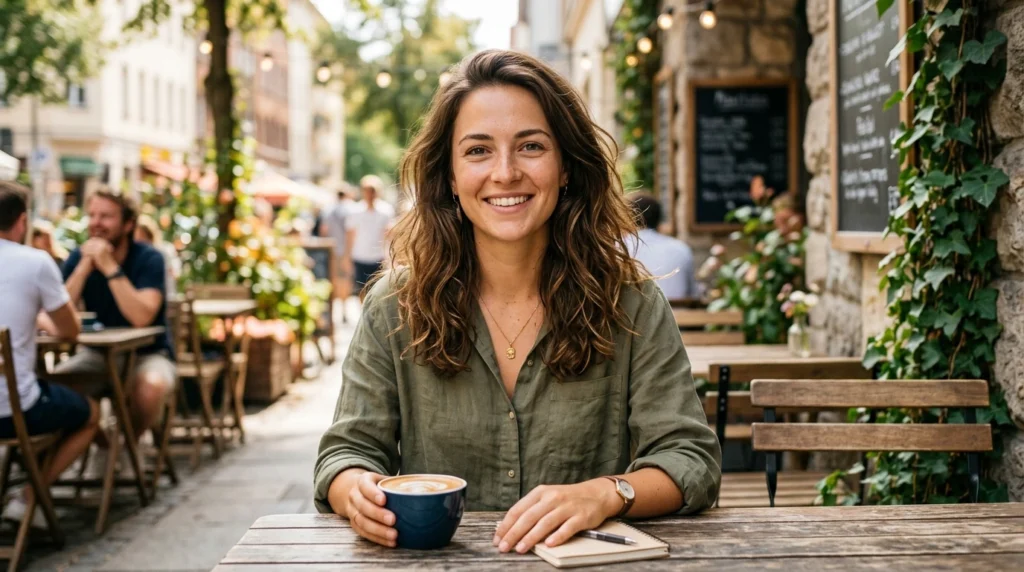
What Is Blond?
Blond describes a hair color that is lighter than brown, ranging from pale yellow to golden, honey, ash, or sandy shades.
The word can be used as a noun or adjective, although adjective use is particularly common.
What Hair Color Is Blond?
Blond hair can include several shades:
- Platinum blond
- Ash blond
- Golden blond
- Honey blond
- Strawberry blond
- Dirty blond
- Dark blond
- Sandy blond
So blond doesn’t describe only one exact color. It covers a broad range of naturally light hair shades.
Examples of Blond
You might say:
“She has blond hair.”
“He has naturally blond hair.”
“The child has light blond hair.”
“Her hair is a beautiful golden blond.”
The word blond can describe both natural hair and hair that has been dyed.
Blond or Blonde?
This is one of the most interesting parts of the blond or brunette discussion.
Traditional English usage borrowed blond and blonde from French, where grammatical gender affects the spelling.
Traditionally:
- Blond → masculine
- Blonde → feminine
For example:
“He is blond.”
“She is blonde.”
However, modern English increasingly uses blond as a gender-neutral adjective, especially in American English.
Is Blond a Noun?
Yes, although noun usage is somewhat less common.
For example:
“He is a blond.”
Traditional usage may use blond for a male and blonde for a female, but modern usage often avoids making a gender distinction.
For clarity, many writers simply say:
“He has blond hair.”
or:
“She has blond hair.”
What Is Brunette?
Brunette traditionally refers to a person with brown or relatively dark brown hair.
It comes from French and historically has been used as a feminine noun or adjective.
What Hair Color Is Brunette?
Brunette hair can range from lighter brown to very dark brown.
Common shades include:
- Light brown
- Medium brown
- Chestnut
- Chocolate brown
- Dark brown
- Espresso brown
The exact shade isn’t fixed. Someone with medium-brown hair can naturally be described as brunette.
Examples of Brunette
For example:
“She is a brunette.”
“She has beautiful brunette hair.”
“The actress changed from blonde to brunette.”
In traditional usage, brunette is most commonly associated with women.
Can Brunette Describe Men?
Yes, but this is where modern English usage becomes more flexible.
Traditionally, English distinguishes:
- Brunette → woman with brown hair
- Brunet → man with brown hair
However, brunet is much less common in everyday English than brunette. Today, brunette is often used broadly to describe someone with brown hair, regardless of gender.
For maximum clarity, you can simply say:
“He has brown hair.”
Blond or Brunette: Key Differences
The main difference between blond or brunette is the hair color they describe.
Main Differences
- Blond describes light-colored hair.
- Brunette generally describes brown hair.
- Blond can range from platinum to golden or sandy shades.
- Brunette can range from light brown to very dark brown.
- Both can describe natural or dyed hair.
- Blond is increasingly used as a gender-neutral term.
- Blonde is traditionally associated with women.
- Brunette traditionally refers to women.
- Brunet is a traditional masculine form but is uncommon.
- Hair color exists on a spectrum, so not every shade fits neatly into one label.
Comparison Table
| Feature | Blond | Brunette |
|---|---|---|
| Main meaning | Light hair | Brown hair |
| Typical shades | Platinum, golden, ash, honey | Light brown, chestnut, chocolate, dark brown |
| Gender-neutral use | Increasingly common | Increasingly common |
| Traditional feminine form | Blonde | Brunette |
| Traditional masculine form | Blond | Brunet |
| Common adjective | Yes | Yes |
| Common noun | Yes | Yes |
| Natural hair | Yes | Yes |
| Dyed hair | Yes | Yes |
| Main distinction | Light hair color | Brown hair color |
Real-Life Conversation Examples
Conversation 1: Describing Hair Color
Emma: “Is Sarah blond or brunette?”
Lily: “She’s naturally blond.”
🎯 Lesson: Blond describes light-colored hair.
Conversation 2: Changing Hair Color
Mia: “I used to be blonde.”
Anna: “But now you’re brunette?”
Mia: “Exactly. I dyed my hair brown.”
🎯 Lesson: A person’s label can change when their hair color changes.
Conversation 3: Describing a Man
Alex: “What does your brother look like?”
Sam: “He’s tall with blond hair.”
🎯 Lesson: Blond can describe men’s hair and is increasingly used as a gender-neutral adjective.
Conversation 4: Describing Brown Hair
Nora: “Is your sister blonde?”
Kate: “No, she’s a brunette.”
🎯 Lesson: Brunette traditionally describes a woman with brown hair.
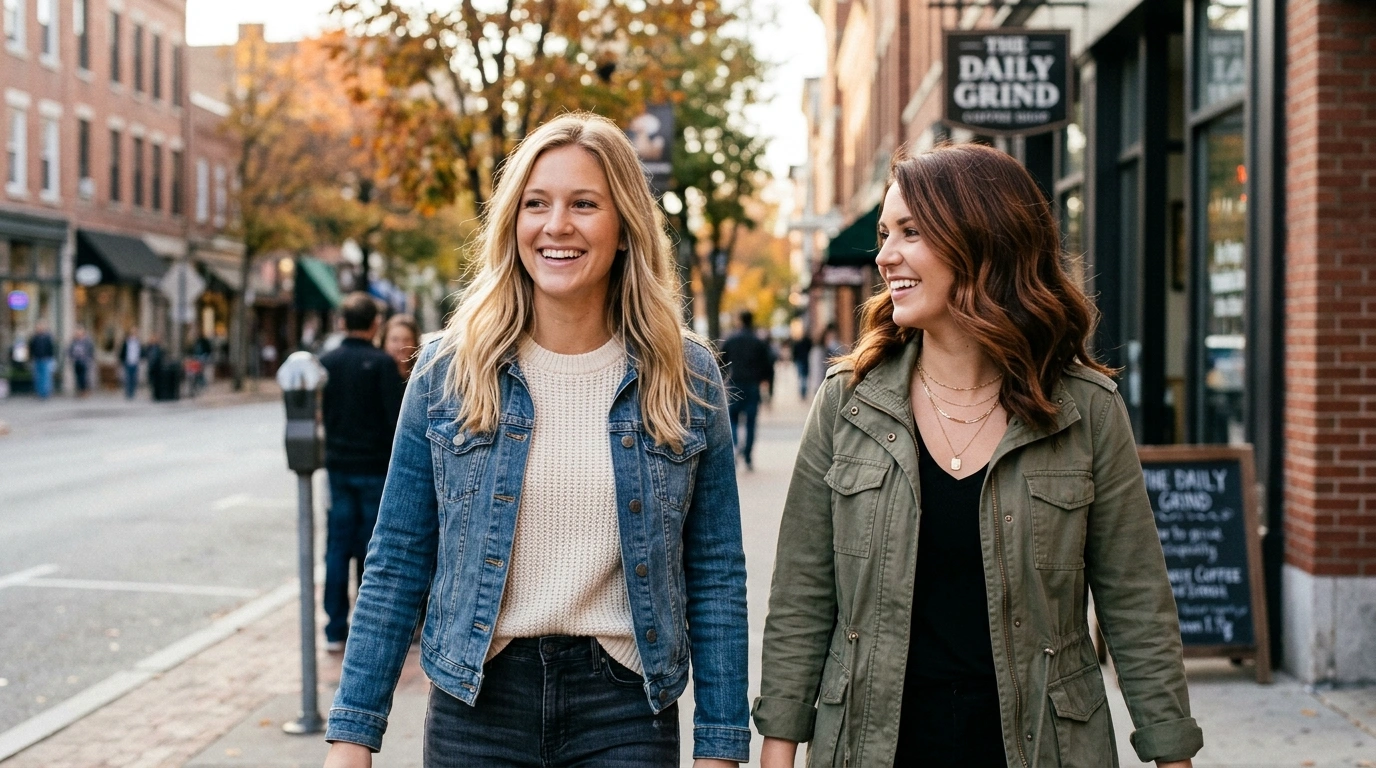
When to Use Blond or Brunette
Choosing between blond or brunette is mostly about identifying the person’s hair color.
Use Blond for Light Hair
Use blond when someone’s hair is naturally or artificially light.
Examples:
“He has blond hair.”
“She dyed her hair blond.”
“The actor is known for his blond hair.”
If you’re following traditional gendered spelling, you may write blonde for a woman:
“She has blonde hair.”
However, blond is also widely accepted as a gender-neutral spelling.
Use Brunette for Brown Hair
Use brunette when describing someone with brown hair, especially in traditional usage for women.
Examples:
“She is a brunette.”
“The brunette woman entered the room.”
“She dyed her hair brunette.”
For men, brown-haired is often more natural than brunet in everyday English.
An Easy Memory Trick
Think:
Blond = light
Brunette = brown
If you remember those two colors, the basic distinction is easy.
Blond or Blonde: Which Spelling Should You Use?
This deserves its own explanation because blond or brunette searches often lead to questions about blond versus blonde.
Traditional Rule
The traditional distinction comes from French:
- Blond → masculine
- Blonde → feminine
So traditional examples would be:
“He is blond.”
“She is blonde.”
Modern English
Modern English is less strict.
Blond is increasingly used as a gender-neutral adjective:
“They have blond hair.”
This spelling is especially common in American English.
Both blond and blonde remain widely recognized, but consistency is important within formal writing.
Brunette or Brunet?
The same historical gender distinction appears with brunette.
Traditional usage:
- Brunet → masculine
- Brunette → feminine
However, brunet is relatively uncommon in modern everyday English.
Instead of:
“He is a brunet.”
many speakers would naturally say:
“He has brown hair.”
Meanwhile, brunette remains common, especially as a noun describing a woman with brown hair.
US vs. UK English
The blond or brunette distinction is broadly understood in both American and British English.
However, spelling preferences can differ slightly.
In American English, blond is frequently used as a gender-neutral adjective:
“She has blond hair.”
British English also uses both blond and blonde, with traditional gender distinctions still appearing in some contexts.
The word brunette is widely understood in both varieties.
For professional or neutral writing, describing the actual color—such as light brown hair or golden blond hair—can sometimes be clearer than relying on gendered terminology.
Is Strawberry Blond Blonde or Red?
Strawberry blond is a hair color that sits between blond and red.
It typically combines:
- Light blond tones
- Warm golden tones
- Reddish or copper tones
Because hair colors exist on a spectrum, someone with strawberry blond hair may not fit neatly into a simple “blond or brunette” category.
Other shades can also fall between conventional labels.