
What Is a Cake?
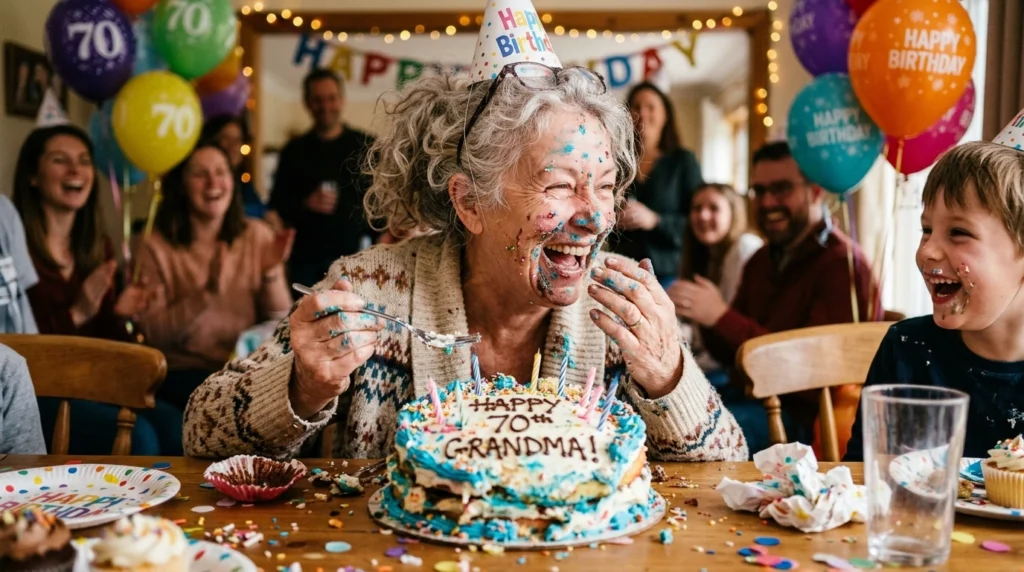
A cake is a sweet baked food that can come in many different shapes, sizes, flavors, textures, and styles. Cakes may be simple or elaborate, single-layered or multi-layered, filled or unfilled, and decorated with frosting, icing, fruit, chocolate, fondant, or other toppings.
In American baking terminology, the word cake can cover a particularly broad range of sweet baked goods. The Oxford Companion to Sugar and Sweets notes that American usage can include cakes that are large or small, filled or unfilled, and either dense or light.
How Is Cake Used?
Cake is commonly associated with celebrations and shared occasions. Birthday cakes, wedding cakes, anniversary cakes, graduation cakes, and holiday cakes are all familiar examples.
You might say:
“We ordered a chocolate cake for the birthday party.”
“She baked a vanilla cake from scratch.”
“The wedding cake had three tiers.”
“Please cut the cake into twelve slices.”
A cake is generally baked in a larger pan, although cakes can be made in many different shapes and sizes.
Cake Ingredients and Texture
Common cake ingredients include:
Flour
Sugar
Eggs
Butter or oil
Milk or another liquid
Baking powder or baking soda
Flavorings such as vanilla or chocolate
The exact recipe can create very different textures. Some cakes are light and fluffy, while others are rich, dense, moist, or chewy.
A Short History of Cake
Cake has a long history, with different cultures developing their own versions over centuries. Modern cake-making eventually became closely associated with refined sugar, butter, eggs, leavening agents, and elaborate decoration.
Today, cake remains one of the most recognizable celebration desserts around the world.
What Are Cupcakes?
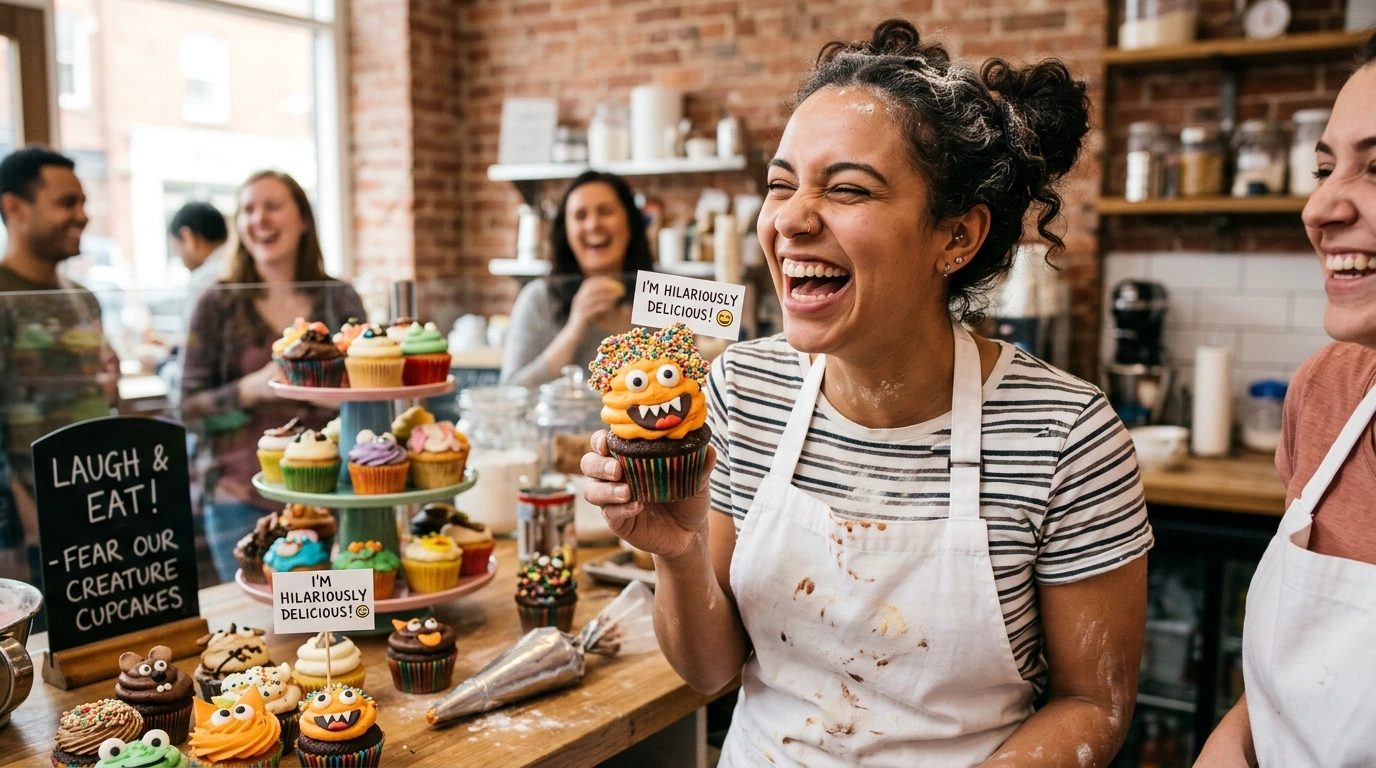
Cupcakes are small, individual-sized cakes. They are typically baked in paper or foil liners inside a cupcake or muffin pan and are designed to be eaten as individual portions. Cambridge defines a cupcake as a small cake, usually for one person, while Merriam-Webster describes it as a small cake baked in a cuplike mold.
This means a cupcake is not an entirely different type of dessert from cake. Instead, it is essentially a small-format version of cake.
How Are Cupcakes Used?
Cupcakes are particularly convenient for parties and events because each person receives an individual serving.
For example:
“We made chocolate cupcakes for the school party.”
“Everyone received a vanilla cupcake.”
“She decorated the cupcakes with colorful sprinkles.”
“I prefer cupcakes because I don’t need a plate or knife.”
Cupcakes are often topped with frosting, buttercream, whipped frosting, sprinkles, fruit, chocolate, or other decorations.
A Short History of Cupcakes
The history of the term cupcake goes back to the early 19th century. Merriam-Webster records the first known use of the word in 1828.
The Oxford Companion to Sugar and Sweets explains that the historical term “cup cake” had more than one connection to the word “cup,” including cakes baked in individual cups and recipes in which ingredients were measured by cups.
Over time, the modern meaning became associated with the small individual cake familiar today.
Cake or Cupcakes: Key Differences
The biggest differences between cake or cupcakes are related to their format and serving style.
1. Size
A traditional cake is generally larger and intended to be divided into multiple servings.
A cupcake is small and designed as an individual portion.
Winner for individual servings: Cupcakes.
2. Serving Style
Cake normally needs to be cut and served.
Cupcakes are already portioned, so guests can simply pick one up and eat it.
Winner for convenience: Cupcakes.
3. Presentation
A large decorated cake can become the centerpiece of a celebration.
Cupcakes can also look impressive, especially when arranged on a dessert table, but they usually do not create the same single centerpiece effect.
Winner for a dramatic centerpiece: Cake.
4. Decoration
Both can be decorated creatively.
A cake can feature multiple layers, elaborate frosting, fondant decorations, edible flowers, lettering, and sculpted designs.
Cupcakes can feature individual frosting swirls, sprinkles, candies, and miniature decorations.
Winner: Tie.
5. Portion Control
Cupcakes naturally provide individual portions. This makes it easier to estimate how many treats you need for a gathering.
With cake, portion sizes can vary depending on how the cake is sliced.
Winner: Cupcakes.
6. Storage
Cupcakes can be convenient to store because individual portions do not need to be cut after baking.
However, large cakes can sometimes be easier to cover and refrigerate depending on their shape and decoration.
Winner: Depends on the dessert.
7. Cost
The total cost depends on ingredients, decoration, bakery pricing, size, and quantity.
A simple cake can be less expensive than dozens of elaborately decorated cupcakes. On the other hand, cupcakes can be economical when you need straightforward individual servings.
Winner: Depends on the order and design.
8. Mess
Cupcakes are generally less messy to serve because there is no cutting involved.
Cake may require a knife, plates, forks, and a serving process.
Winner: Cupcakes.
9. Occasion
Cake is often preferred for major celebrations such as weddings, milestone birthdays, and anniversaries.
Cupcakes are excellent for children’s parties, office gatherings, school events, picnics, and casual celebrations.
Winner: Depends on the occasion.
Cake vs Cupcakes Comparison Table
| Feature | Cake | Cupcakes |
|---|---|---|
| Size | Usually large | Small, individual-sized |
| Serving | Usually sliced | Ready to serve |
| Portion control | Requires slicing | Naturally portioned |
| Decoration | Highly customizable | Highly customizable |
| Centerpiece | Excellent | Good |
| Convenience | Moderate | Excellent |
| Mess | Can require plates and utensils | Usually easier to handle |
| Best for | Weddings, birthdays, major celebrations | Parties, events, casual gatherings |
| Storage | Depends on size and design | Often easy to portion and store |
| Baking time | Usually longer | Usually shorter |
| Sharing | Designed for sharing | Individual servings |
Can You Turn Cake Batter Into Cupcakes?
Yes. In many cases, cake batter can be used to make cupcakes.
King Arthur Baking explains that many standard cake recipes can be converted into cupcakes. A typical 9-by-13-inch cake, two 9-inch round layers, or three 8-inch round layers can produce roughly 24 standard cupcakes, depending on the recipe and how much batter is used in each cup.
However, not every cake recipe converts equally well.
Dense pound cakes can produce heavy cupcakes, while delicate sponge cakes may not perform as well in cupcake form. Recipes with complicated fillings or meringue-based structures can also be more difficult to convert successfully.
So, if you already have a favorite cake recipe, check its texture and structure before turning the entire batch into cupcakes.
Real-Life Conversation Examples
Conversation 1: Birthday Party
Emma: “Should we order a cake for the birthday?”
Liam: “How many people are coming?”
Emma: “About twenty.”
Liam: “Maybe cupcakes would be easier. Everyone can grab one.”
🎯 Lesson: Cupcakes are convenient when you need individual servings.
Conversation 2: Wedding
Sarah: “Why don’t we just serve cupcakes at the wedding?”
James: “We could, but I really want a decorated cake as the centerpiece.”
Sarah: “Let’s have a small cake with cupcakes around it.”
🎯 Lesson: Cake can provide a traditional centerpiece while cupcakes make serving easier.
Conversation 3: Office Party
Mike: “Do we need plates and a knife for this?”
Anna: “Not if we order cupcakes.”
Mike: “That’s probably much easier for the office.”
🎯 Lesson: Cupcakes can reduce serving equipment and cleanup.
Conversation 4: Home Baking
Nora: “Can I use my cake recipe for cupcakes?”
Ben: “Usually, yes. Just adjust the amount of batter in each cup and watch the baking time.”
🎯 Lesson: Many standard cake recipes can be adapted into cupcakes.
When to Use Cake vs Cupcakes
Choosing between cake or cupcakes depends mainly on the occasion and how you want people to enjoy the dessert.
Choose Cake When:
You want a celebration centerpiece.
You are planning a wedding or milestone birthday.
You want multiple layers.
You want a large custom design.
You enjoy the traditional cake-cutting experience.
You need one large dessert for everyone to share.
Choose Cupcakes When:
You want individual servings.
You are hosting a casual party.
You need an easy dessert for children.
You want to avoid cutting and serving.
You are serving guests with different flavors.
You want an easy-to-carry dessert.
A Simple Memory Trick
Remember it this way:
Cake = slice and share.
Cupcake = grab and enjoy.
This simple distinction covers most everyday situations.
Are Cupcakes Just Small Cakes?
Yes, in the simplest sense, a cupcake is a small cake designed for individual serving. Cambridge and Merriam-Webster both describe cupcakes in terms of their small, individual format.
However, cupcakes can have their own recipes, textures, fillings, and decorating styles. Bakers may adjust the batter depending on how they want the cupcakes to rise, hold frosting, or maintain their texture.
The baking temperature can also influence the final result. King Arthur Baking notes that cupcakes commonly bake within a range of about 325°F to 375°F, with temperature affecting their rise and shape.
So while cupcakes are closely related to cake, they are not simply miniature versions of every possible cake recipe.
Cake or Cupcakes for Different Occasions
Birthday Parties
Both options work well. Choose cake if you want a traditional birthday centerpiece. Choose cupcakes if convenience is more important.
Weddings
A decorated cake is often chosen for the ceremony and cake-cutting tradition. Cupcakes can be added as extra servings or used as an alternative dessert.
Children’s Parties
Cupcakes are often especially practical because children can receive their own portion without waiting for someone to cut a cake.
Office Events
Cupcakes are convenient because they require less serving equipment and can be distributed quickly.
Baby Showers
Both work well. Cupcakes can be decorated individually to match the event’s theme, while a cake can provide a stronger visual centerpiece.
Casual Gatherings
Cupcakes are often the easier option when you want a simple dessert that guests can pick up without much preparation.
Which Is Easier to Decorate?
This depends on the type of decoration.
A large cake gives you more surface area for detailed designs, lettering, layers, and elaborate themes.
Cupcakes provide many small canvases. You can decorate each cupcake individually or make them look like one coordinated display.
For beginners, cupcakes can sometimes feel easier because you do not have to create one perfectly smooth large surface. A frosting swirl can hide small imperfections.
However, decorating dozens of cupcakes individually can take longer than decorating one simple cake.
Which Is Better for Large Parties?
For large gatherings, cupcakes often have a practical advantage because they are already portioned.
For example, if you expect 30 guests, you can prepare or order around 30 cupcakes without worrying about how large each slice should be.
A cake can also serve 30 people, but someone needs to cut it into appropriate portions.
That said, a large cake may be more economical if you are feeding many people and do not need individual decoration.
The best choice depends on your budget, guest count, design, and serving setup.
Fun Facts About Cake and Cupcakes
1. The Word “Cupcake” Is Over 190 Years Old
Merriam-Webster records the first known use of cupcake in 1828.
2. Early “Cup Cakes” Had More Than One Meaning
The historical term “cup cake” could refer to cakes baked in individual cups, but it could also describe recipes in which ingredients were measured using cups. The Oxford Companion to Sugar and Sweets explains these two historical connections to the word “cup.”
Cake or Cupcakes: Which One Should You Choose?
There is no universal winner between cake or cupcakes. The better choice depends on what you need from your dessert.
Choose cake when you want a traditional centerpiece, large custom design, multiple layers, or a dessert intended to be sliced and shared.
Choose cupcakes when you want convenience, individual portions, easy serving, and less mess.
If you are still undecided, consider the event first. A wedding may benefit from an elegant cake, while a children’s party or office gathering may be much easier with cupcakes.
Ultimately, both desserts can deliver the same basic pleasure: soft cake, delicious frosting, and a reason to celebrate.