
What Are Coveralls?
Meaning of Coveralls
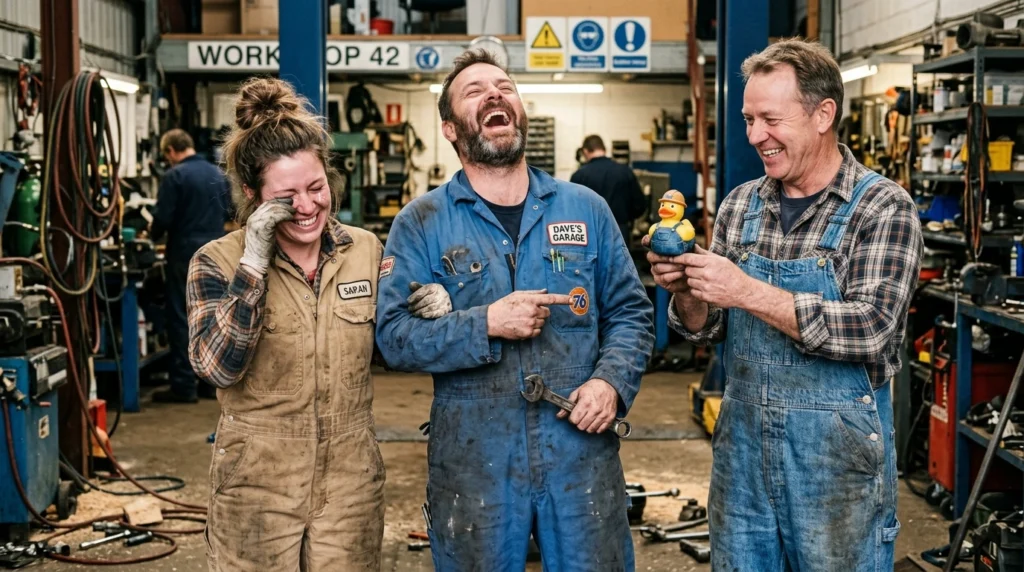
Coveralls are generally one-piece garments designed to cover the wearer’s torso and legs. They are usually worn over regular clothing and are commonly used as protective workwear.
Coveralls can help protect clothing and skin from:
Dirt
Dust
Grease
Paint
Oil
Debris
Certain workplace hazards
Depending on the material and design, some coveralls are made specifically for specialized work environments.
How Are Coveralls Used?
Coveralls are commonly worn by:
Mechanics
Factory workers
Automotive technicians
Farmers
Construction workers
Maintenance workers
Painters
Industrial workers
For example:
“The mechanic put on his coveralls before working on the engine.”
“The workers wore protective coveralls at the job site.”
“These coveralls are designed for outdoor work.”
What Do Coveralls Look Like?
Coveralls usually have:
Long sleeves
Full-length legs
A connected upper and lower section
Front zipper or button closure
Multiple work pockets
Some versions are sleeveless, short-sleeved, insulated, waterproof, or designed for particular safety requirements.
A Short History of Coveralls
Coveralls developed as practical protective clothing for workers who needed garments that could cover everyday clothing while performing dirty or physically demanding jobs.
Over time, different industries developed specialized versions with materials and features suited to particular working conditions.
What Are Overalls?
Meaning of Overalls
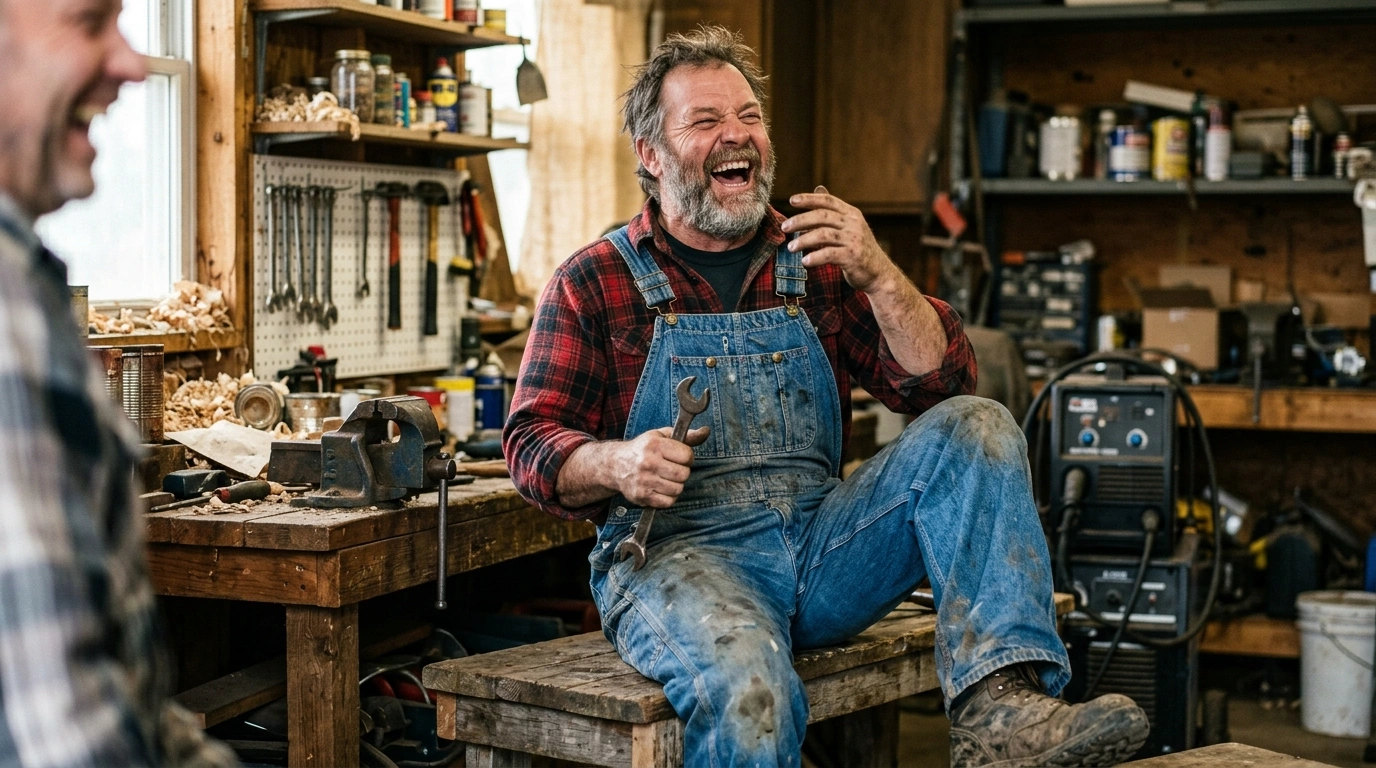
Overalls are traditionally garments with a bib covering the front of the torso and straps that extend over the shoulders. They are usually worn with a separate shirt underneath.
They are also commonly called bib overalls or bib-and-brace overalls, depending on the region.
Overalls typically cover the legs but leave much of the upper body uncovered.
How Are Overalls Used?
Overalls are popular for:
Farming
Gardening
Construction
Carpentry
DIY projects
Painting
Outdoor work
Casual fashion
For example:
“He wore overalls while working in the garden.”
“She bought a pair of denim overalls.”
“The carpenter wore overalls over a T-shirt.”
What Do Overalls Look Like?
Traditional overalls usually feature:
A front bib
Shoulder straps
Waist and leg sections
Multiple pockets
Side buttons or fasteners
Separate upper and lower clothing
Unlike coveralls, overalls do not completely cover the torso.
A Short History of Overalls
Overalls became popular as durable work clothing during the development of industrial and agricultural workwear. Denim versions became particularly recognizable in the United States.
Over time, overalls moved beyond work environments and became a casual fashion item.
Coveralls vs Overalls: Key Differences
Main Difference
The most important difference between coveralls or overalls is their construction.
Coveralls are usually one-piece garments.
Overalls are generally bib-style garments worn with another top.
Coveralls provide greater upper-body coverage.
Overalls allow more flexibility with the shirt worn underneath.
Coveralls are commonly associated with protective workwear.
Overalls can be either workwear or casual clothing.
Coveralls may offer better protection from dirt and spills.
Overalls are often easier to remove from the upper body.
Both can include multiple utility pockets.
Coveralls vs Overalls Comparison Table
| Feature | Coveralls | Overalls |
|---|---|---|
| Basic design | One-piece garment | Bib-style garment |
| Upper-body coverage | Full or substantial | Front bib only |
| Separate shirt needed | Usually worn over clothing | Yes |
| Leg coverage | Usually full | Usually full |
| Protection | Generally greater | Moderate |
| Common use | Industrial and protective work | Workwear and casual wear |
| Flexibility | Less clothing flexibility | More flexibility |
| Ventilation | Can be more limited | Generally easier to cool down |
| Pockets | Often numerous | Often numerous |
| Fashion use | Less common | Very common |
| Easy to layer | Moderate | Excellent |
| Best for | Full-body coverage | Versatile work and casual wear |
Real-Life Conversation Examples
Conversation 1: Mechanic
Emma: “Should I wear overalls to work on the car?”
Liam: “Coveralls might give you more protection.”
Emma: “Because they cover my whole upper body?”
Liam: “Exactly.”
🎯 Lesson: Coveralls generally provide more complete protection for messy mechanical work.
Conversation 2: Gardening
Sarah: “I want something comfortable for gardening.”
James: “Overalls could be a good option.”
Sarah: “I can wear them over my T-shirt?”
James: “Yes, and you can change the shirt depending on the weather.”
🎯 Lesson: Overalls make layering and changing the shirt underneath easy.
Conversation 3: Painting
Mike: “I don’t want paint getting on my clothes.”
Anna: “I’d choose coveralls.”
Mike: “Even for a small project?”
Anna: “If you want maximum clothing coverage, yes.”
🎯 Lesson: Coveralls can provide more protection against dirt and splashes.
Conversation 4: Fashion
Tom: “Are overalls only for workers?”
Lisa: “Not anymore. Denim overalls are also common casual clothing.”
🎯 Lesson: Overalls have developed from traditional workwear into everyday fashion.
When to Use Coveralls vs Overalls
The best choice between coveralls or overalls depends on how much protection and flexibility you need.
Choose Coveralls When:
You want greater body coverage.
You work around grease, dirt, or paint.
You need a single protective garment.
You work in a mechanical or industrial environment.
You want to protect your shirt and pants at the same time.
Your workplace requires a particular protective garment.
Choose Overalls When:
You want flexible layering.
You prefer wearing different shirts underneath.
You work in gardening or farming.
You want easy access to your upper body.
You want a garment that can transition from workwear to casual wear.
You like the traditional bib-and-strap design.
A Simple Memory Trick
Remember:
Coveralls = cover it all.
Overalls = wear them over your clothes.
This isn’t a technical definition, but it is an easy way to remember the basic difference.
Coveralls or Overalls for Mechanics
For mechanics, coveralls are often the more practical option when protecting clothing and skin is a priority.
Working around engines and machinery can involve:
Grease
Oil
Dust
Metal particles
Cleaning chemicals
Other workshop messes
Full-length coveralls can create a barrier between these materials and the clothes underneath.
However, some mechanics prefer overalls because they provide easier access to the upper body and can be more comfortable in warm environments.
The right choice depends on the workshop and the type of work.
Coveralls or Overalls for Farming
Both garments can work well for farming.
Overalls have a long history as agricultural workwear and offer plenty of useful pockets while allowing farmers to wear different shirts underneath.
Coveralls provide more coverage when working with dirt, dust, machinery, or other messy materials.
Farmers working in hot weather may prefer overalls because the open upper-body design can provide better ventilation.
Coveralls or Overalls for Construction
Construction workers may use either garment depending on the task and workplace requirements.
Coveralls can provide greater protection against dirt and debris, while overalls offer easy layering and access to the upper body.
However, neither garment should automatically be considered safety equipment. If a workplace requires protection against specific hazards such as flame, chemicals, or electrical risks, the garment must meet the relevant safety standard.
Coveralls or Overalls for Everyday Wear
For casual clothing, overalls are generally more common.
Denim overalls can be worn with:
T-shirts
Sweaters
Button-down shirts
Hoodies
Long-sleeve tops
They can create a relaxed, practical style.
Coveralls can also be worn casually, particularly as part of workwear-inspired fashion, but their one-piece design makes them less flexible for everyday layering.
Coveralls or Overalls in Hot Weather
Hot-weather comfort depends on the fabric, fit, and design.
Overalls can provide better ventilation because the upper torso remains covered primarily by the shirt underneath.
Coveralls can feel warmer because they cover more of the body.
For summer work, look for lightweight, breathable fabrics and designs that allow airflow.
Coveralls or Overalls in Cold Weather
In colder conditions, coveralls can be useful because they provide more continuous coverage and can be layered over warm clothing.
Overalls can also work well with sweaters, jackets, and thermal layers underneath.
Insulated coveralls are available for particularly cold working environments.
The most important factors are fabric, insulation, layering, and weather conditions, not simply whether the garment is called coveralls or overalls.
Are Coveralls and Overalls the Same Thing?
No. Although the terms are sometimes used loosely or differently in different regions, they traditionally refer to different garment designs.
Coveralls are generally one-piece garments that cover the torso and legs.
Overalls traditionally have a bib and shoulder straps and are worn over a separate shirt.
Regional vocabulary can create some confusion. In some places, people may use the words differently, so the garment’s actual design is often more useful than the label.
Why Are They Called Overalls?
The name overalls comes from the basic idea of wearing the garment over other clothes.
Traditional overalls were designed as practical work clothing that could protect everyday garments while allowing workers to move comfortably.
This explains why the term remains strongly associated with workwear even though overalls are now also a fashion item.
Fun Facts About Coveralls and Overalls
1. Overalls Became a Fashion Item
Although overalls began primarily as practical workwear, denim versions eventually became popular as casual clothing. They remain a recognizable style in modern fashion.
2. Coveralls Are Used in Specialized Industries
Modern coveralls can be designed for specific work environments, including industrial settings where workers may need protection from particular workplace hazards.
That means a pair of ordinary fashion coveralls should not automatically be treated as protective equipment.
Coveralls or Overalls: Which One Should You Choose?
If you’re deciding between coveralls or overalls, think about the level of coverage you need.
Choose coveralls when your priority is greater protection and full-body coverage. They are particularly useful for mechanics, industrial workers, painters, and other people who regularly work around dirt, grease, or messy materials.
Choose overalls when you want flexibility, ventilation, and easy layering. They work well for gardening, farming, DIY projects, construction, and casual everyday wear.
The simplest rule is this: coveralls cover more of your body, while overalls are designed to go over another outfit. Once you understand that distinction, choosing between the two becomes much easier.