
What Is “Unagi”?
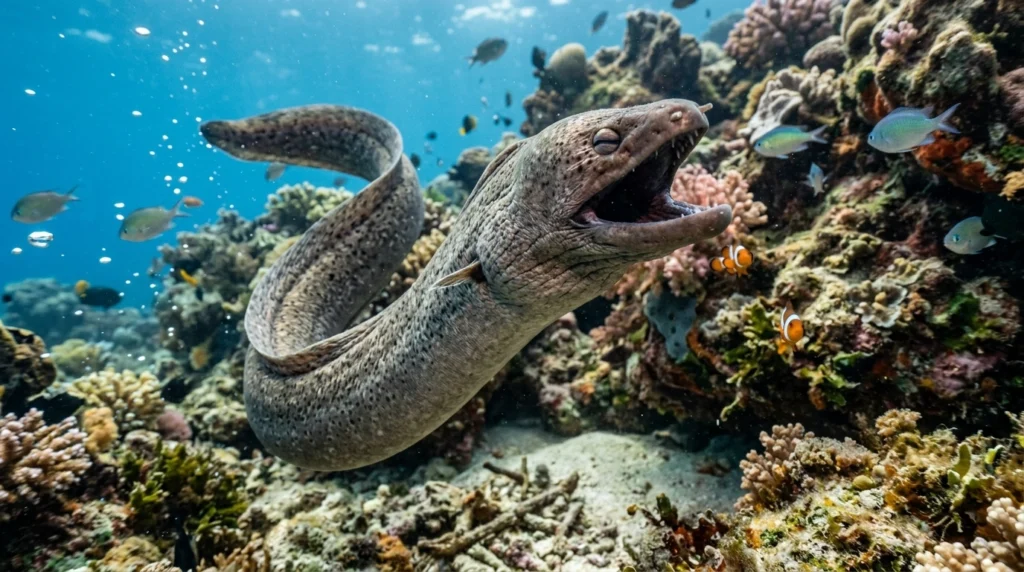
Unagi is the Japanese word commonly used for freshwater eel, particularly the Japanese eel (Anguilla japonica). It is a popular ingredient in Japanese cuisine and is especially well known for its rich flavor and soft, fatty texture.
Unagi is commonly prepared by grilling the eel and coating it with a sweet and savory sauce known as tare.
Popular preparations include:
Unadon – grilled eel served over rice
Unajū – grilled eel served in a lacquered box with rice
Unagi sushi – grilled eel served with sushi rice
Kabayaki – eel that is filleted, skewered, grilled, and glazed
Taste and Texture
Unagi tends to be rich, fatty, tender, and savory. The grilling process gives it a slightly smoky flavor, while the tare sauce adds sweetness and umami.
Its soft texture makes it quite different from many other types of sushi fish.
For example:
“I ordered unagi because I like rich, grilled seafood.”
Short History and Usage Note
Unagi has been eaten in Japan for centuries. It became especially associated with summer eating traditions, and Dōyō no Ushi no Hi, a day connected with the ox in the traditional calendar, is commonly associated with eating unagi.
Unagi is also an important part of Japanese restaurant cuisine and appears in both traditional dishes and modern sushi menus.
What Is “Anago”?
Anago is the Japanese term commonly used for conger eel, a saltwater eel belonging to the conger eel family.
Unlike unagi, which is associated with freshwater habitats, anago lives in the ocean.
Anago is frequently used in sushi and other Japanese dishes. It is often prepared in a way that produces a softer, lighter result than grilled unagi.
Taste and Texture
Anago generally has a lighter, softer, and more delicate flavor than unagi. It also tends to be less fatty.
A common preparation involves simmering or braising the eel until it becomes tender, followed by the addition of a sweet sauce.
For example:
“I prefer anago because it has a lighter flavor than unagi.”
Regional Notes
Anago is strongly associated with Japanese coastal cuisine and is especially well known in sushi restaurants.
Different regions and restaurants may prepare anago differently, so the exact texture and flavor can vary.
The term anago is normally used specifically for conger eel rather than freshwater eel.
Key Differences Between Unagi and Anago
The main difference between unagi or anago is the type and habitat of eel they refer to.
Unagi generally means freshwater eel.
Anago generally means saltwater conger eel.
Unagi is typically richer and fattier.
Anago is generally lighter and less fatty.
Unagi is commonly grilled and glazed.
Anago is often simmered or prepared using gentler cooking methods.
Unagi has a firmer, richer texture.
Anago tends to be softer and more delicate.
Both are popular in Japanese cuisine.
Both can appear in sushi and rice dishes.
Comparison Table
| Feature | Unagi | Anago |
|---|---|---|
| Meaning | Freshwater eel | Conger eel |
| Habitat | Freshwater and migratory environments | Saltwater |
| Flavor | Rich, savory, fatty | Lighter, delicate |
| Fat content | Generally higher | Generally lower |
| Texture | Soft and rich | Very soft and delicate |
| Common preparation | Grilled and glazed | Simmered/braised or otherwise gently cooked |
| Popular dish | Unadon | Anago sushi |
| Sauce | Often sweet and savory tare | Often lighter sweet sauce |
| Cuisine | Japanese | Japanese |
| Best for | Rich, smoky eel flavor | Lighter eel flavor |
Real-Life Conversation Examples
Dialogue 1: Choosing at a Sushi Restaurant
Mia: “What’s the difference between unagi and anago?”
Ken: “Unagi is freshwater eel, while anago is conger eel from saltwater.”
Mia: “Which one is richer?”
Ken: “Usually unagi.”
🎯 Lesson: Unagi is generally richer and fattier, while anago is lighter.
Dialogue 2: Ordering Sushi
Alex: “I want something light.”
Sara: “Try anago.”
Alex: “Why?”
Sara: “It’s usually more delicate than unagi.”
🎯 Lesson: Anago can be a good choice when you prefer a lighter eel flavor.
Dialogue 3: Looking for Grilled Eel
Tom: “I really like smoky grilled eel.”
Yuki: “Then unagi is probably what you’re looking for.”
🎯 Lesson: Unagi is especially associated with grilled, glazed preparations.
Dialogue 4: Reading a Menu
Emma: “I thought all Japanese eel was called unagi.”
Daniel: “Not exactly. Anago is a different type of eel.”
Emma: “So the names actually identify different fish?”
Daniel: “Exactly.”
🎯 Lesson: Unagi and anago refer to different types of eel rather than two names for exactly the same fish.
When to Choose Unagi or Anago
Knowing when to choose unagi or anago depends mainly on your taste preferences.
Choose Unagi for a Richer Flavor
Choose unagi if you enjoy:
Rich seafood
Fatty textures
Grilled flavors
Sweet and savory sauces
Soft, tender eel
Unagi’s classic grilled preparation makes it particularly appealing if you enjoy smoky, caramelized flavors.
Choose Anago for a Lighter Taste
Choose anago if you prefer:
Delicate seafood flavors
Softer textures
Less fatty fish
Lighter sushi toppings
Gently cooked seafood
Anago is often a good introduction for people who find unagi too rich.
Easy Memory Trick
A simple way to remember the difference is:
Unagi = freshwater eel.
Anago = saltwater conger eel.
You can also remember that unagi is commonly associated with grilling, while anago is often associated with simmering.
US vs. UK Notes
There is no major American-versus-British spelling difference for unagi or anago because both are Japanese culinary terms used internationally.
English-language restaurants may describe them as freshwater eel and conger eel to make the difference easier for customers to understand.
Fun Facts or History
1. Unagi Has a Famous Summer Tradition
Eating unagi during summer is a long-standing Japanese tradition. The custom is particularly associated with Dōyō no Ushi no Hi and is often connected with the idea of eating nutritious foods during hot weather.
2. Eel Has a Complex Life Cycle
Freshwater eels such as Japanese eel are catadromous, meaning they spend much of their lives in freshwater but migrate to the ocean to reproduce. This unusual life cycle is one reason eel biology has fascinated scientists for generations.